


If you’re still waiting for your June 30 financials when the summer crowds are already hitting the beaches in Mornington and Rye, you aren’t just behind on paperwork; you’re flying your business blind. It’s a common frustration for Peninsula business owners who feel like they’re at the bottom of a very tall pile. Understanding why your accountant is late preparing your end of year financials is the first step toward fixing a reactive cycle that keeps you in the dark about your actual profits. You deserve to know where your money is going before the next tax year is halfway over.
We know the anxiety that comes with ATO compliance and the missed opportunities that happen when you can’t plan for tax-effective investments. At The Sphere Group, our team of CPA and Chartered Accountants believes you should be a priority, not a postscript. This guide reveals the hidden bottlenecks slowing down your EOFY reporting and how transitioning to a proactive partnership can turn tax time into a genuine growth opportunity. You’ll learn how to receive your financials in weeks instead of months, allowing you to focus on strategic wealth creation rather than just playing catch-up.
Key Takeaways
- Learn why your accountant is late preparing your end of year financials and how this delay often stems from a reactive model that prioritises the ATO over your business growth.
- Discover why starting your tax planning in April is the secret to avoiding the EOFY crunch and securing better outcomes for your Mornington Peninsula business.
- Identify the common data bottlenecks in complex structures like Trusts and SMSFs that stall your reporting and limit your ability to make confident decisions.
- Understand the value of working with qualified CPA and Chartered Accountants who act as your year-round advocates rather than once-a-year service providers.
- Shift your focus from basic compliance to strategic wealth creation by demanding financials within weeks, not months, to drive profit in Mornington, Rye, and beyond.
EOFY Crunch: Don’t Wait Until July to See Your Accountant
Imagine the Nepean Highway on a scorching January afternoon. It’s a total standstill. That’s exactly what happens to many accounting firms every July. We call it the “EOFY Crunch”. It’s a massive traffic jam of data where every business owner suddenly remembers they need to lodge. If you’ve been wondering why your accountant is late preparing your end of year financials, this seasonal logjam is often the culprit. But for business owners in Mornington and Rye, waiting until July to start the conversation is already too late.
A reactive approach doesn’t just cause delays; it bleeds money. When you only speak to your accountant once a year, you’re looking in the rearview mirror. You’re seeing what happened months ago, not what you can change today. This creates a massive gap in visibility. You might be making a profit, but without real-time data, you’re flying blind. This uncertainty carries a heavy emotional toll. It’s the “3 AM worry” about whether you’ve set aside enough for GST or if you’re actually growing your wealth or just spinning your wheels.
The True Cost of Late Financial Statements
Late data is expensive data. In the Australian tax landscape, timing is everything. If your financials land on your desk six months after the year ends, you’ve already missed the window for strategic tax planning. You can’t claim an instant asset write-off for equipment you should have bought in May. You can’t restructure your debt to be more tax-effective. Most importantly, you can’t forecast cash flow for the next quarter with any confidence. Beyond the missed opportunities, the ATO doesn’t care about your accountant’s backlog. Late lodgments can trigger interest charges and penalties that eat directly into your hard-earned margins.
Why ‘Once-a-Year’ Accountants Can’t Keep Up
The traditional “tax agent” model is built for compliance, not for you. These firms often operate as high-volume factories, churning out returns to keep the regulators happy. This is a primary reason why your accountant is late preparing your end of year financials; they are stuck in a reactive cycle of putting out fires. They wait for you to provide info, rather than chasing it.
At Sphere Group, our team of CPA and Chartered Accountants operates differently. We aren’t just tax agents; we’re advocates. A standard firm might prioritise their biggest corporate clients while smaller Peninsula businesses wait in line. We believe in frequent communication and deep involvement. By moving away from the “once-a-year” model, we ensure the heavy lifting is done long before June 30, so you get the insights you need to make more money without working harder.
Decoding the Delay: Common Bottlenecks in End of Year Financial Preparation
Seasonal traffic jams aren’t the only reason for a slow turnaround. Often, the real delay starts long before your data reaches our desks. If you’re questioning why your accountant is late preparing your end of year financials, the answer might lie in the “cleanup” phase. When records are messy or incomplete, even the most efficient firm has to pause and play detective. This back-and-forth communication is the single biggest bottleneck for business owners from Mornington to Rye.
Modern business is complex. Between evolving payroll rules like Payday Super and the intricate web of family trusts, there’s a lot to unpack. If your bookkeeping isn’t sharp, your accountant spends their time fixing past mistakes instead of looking at your future growth. High-quality financials require high-quality inputs. We want to spend our time as your advocate, finding ways to reduce your tax, not just reconciling old bank statements.
The Documentation Gap: What’s Missing from Your File?
The number one speed bump is unreconciled bank feeds in software like Xero or MYOB. If there are hundreds of “unmatched” transactions from six months ago, it’s impossible to produce an accurate set of accounts quickly. We often see missing loan statements or hire purchase agreements for new vehicles that were bought mid-year. These documents are vital for calculating interest deductions and depreciation correctly. The old-school “shoe box” of physical receipts might feel nostalgic, but it’s the enemy of speed. Digital records allow for real-time clarity, ensuring you aren’t waiting until next Christmas to see this year’s results.
Keeping your computer systems and software updated is essential for maintaining these digital records without interruption; for local help with your technology, check out Aspire Computing for expert IT support.
Complex Structures and Regulatory Hurdles
Complexity adds time. If your business operates through a Company or a Trust, there are specific regulatory hurdles that simply can’t be skipped. For example, Division 7A loans can complicate year-end reconciliations if not managed monthly, often requiring legal-standard loan agreements to avoid heavy tax penalties. Similarly, Fringe Benefits Tax (FBT) and Self-Managed Super Fund (SMSF) compliance require a level of precision that takes time to get right.
Legislative changes mean the goalposts are always moving. Our role as your Chartered Accountants is to navigate these shifts for you. We ensure your structure remains a tool for wealth, not a source of ATO audits. If you feel like your current setup is slowing you down, it might be time to reach out for a proactive review of your bookkeeping processes.
Reactive vs. Proactive Accounting: Why the ‘Once-a-Year’ Model is Failing Your Business
Most traditional firms focus on lodgment as the finish line. They act as a “Tax Agent,” essentially serving as a middleman between you and the ATO. This compliance-first approach is exactly why your accountant is late preparing your end of year financials. They wait for the year to end before they even look at your numbers. By the time they start, the information is cold. The opportunity to make strategic changes has long passed, leaving you with a set of documents that tell you where you’ve been rather than where you’re going.
We prefer to act as your advocate. Instead of just reporting what happened, we focus on what’s coming next. A proactive firm doesn’t wait until July to start work. We aim to have the vast majority of the heavy lifting done before June 30 through consistent engagement. This isn’t just about speed; it’s about protection. This reactive cycle is the main reason why your accountant is late preparing your end of year financials every single year. We defend your interests by ensuring your tax structure is optimised for wealth growth, not just box-ticking for the regulators.
The Reactive Trap: Looking Through the Rear-View Mirror
Receiving your financials in December for the year that ended six months ago is useless for strategy. It’s like trying to navigate the Mornington Peninsula freeway while only looking in the mirror. You can’t see the hazards ahead. This model leads to “surprise” tax bills that arrive far too late to manage. You find out you owe a significant sum to the ATO when the cash has already been reinvested or spent. It keeps you working harder to pay off past debts rather than smarter to build future assets. For a business in Mornington or Rye, this lag can be the difference between a year of growth and a year of recovery.
The Proactive Advantage: Real-Time Data and Continuous Insight
Business owners who switch to a proactive model experience a total shift in clarity. Monthly or quarterly reviews mean your data is always current. We use our CPA and Chartered Accountant expertise to provide authoritative guidance throughout the year, not just when the tax man calls. This continuous insight allows for real-time tax structuring. When June 30 arrives, there are no surprises. You already know your profit, you’ve planned your tax-effective investments, and your financials are ready to be finalised in weeks. This is how you stop being a number in a queue and start being the driver of your own success.
The Roadmap to On-Time Financials: Preparing Your Mornington Business for EOFY
If you want to avoid the July logjam, you have to change how you handle your business data. Waiting until the year is over is a recipe for frustration. One big reason why your accountant is late preparing your end of year financials is that they spend weeks chasing missing information from last August. By moving to a proactive model, you flip the script. You aren’t just dumping data; you’re executing a strategy that protects your margins and gives you back your time.
Step 1: The April Review and Tax Planning Session
April is the “line in the sand” for successful Peninsula business owners. This is when we sit down to look at your nine-month performance. By meeting in April, we can identify tax-saving moves while you still have time to act. This might involve making strategic asset purchases to take advantage of depreciation rules or managing superannuation contributions for your staff. It’s about being a defender of your own interests rather than just a passive taxpayer. If you wait until June 29 to think about tax structuring, your options have already vanished. We use this time to ensure your trust distributions are planned and your company profit is managed effectively before the clock runs out.
Step 2: Streamlining Your Digital Record-Keeping
Physical paper is the enemy of a fast turnaround. If you’re still handing over folders in Rye or Frankston, you’re building a delay into your process before we even open your file. Digital tools like Dext or Hubdoc allow you to capture receipts on your phone the moment you get them. This data flows directly into Xero, which should be reconciled weekly. Much like how DormWay centralizes a student’s academic life through automated scheduling, these business tools ensure your financial data is always where it needs to be. Professional bookkeeping isn’t just about data entry; it’s about accuracy. High-quality records ensure your file is ready for our CPA and Chartered Accountants the moment the new financial year begins.
Check out our Strategic Bookkeeping Services in Mornington for deeper guidance on system setup. Clean data is fast data. When your bookkeeping is tight, the mystery of why your accountant is late preparing your end of year financials is solved. You become the priority client because your records are flawless. This allows us to focus on high-level advisory work that helps you make more money without working harder.
Book your pre-June 30 planning session
Beyond Compliance: How The Sphere Group Delivers Faster Insights and Better Growth
The traditional accounting model is broken because it prioritises the regulator’s deadlines over the business owner’s goals. If you’re tired of wondering why your accountant is late preparing your end of year financials, it’s time to realise that compliance shouldn’t be the ceiling of your relationship. It should be the floor. At Sphere Group, we’ve built our firm on the idea that you deserve an advocate who is deeply involved in your success throughout the year. We don’t just want to lodge your returns; we want to help you build a more profitable, sustainable business.
Our approach moves the focus from the past to the future. By the time most firms start thinking about your June 30 result, we’ve already helped you implement strategies to protect your cash flow and reduce your tax bill. This is the benefit of having a partner who works for you, not the ATO. We believe in frequent communication and providing continuous insights that allow you to make more money without necessarily working harder. We position ourselves as a defender of your interests, ensuring you aren’t just another file in a seasonal backlog.
A Partnership Focused on Your Wealth, Not Just Your Tax
We use your financial data as a diagnostic tool to drive profit improvements. Instead of just telling you how much tax you owe, we look at where your margins are leaking and how your staff payroll or superannuation obligations can be optimised. This proactive stance leads to “no-surprise” tax results. You’ll know exactly where you stand long before the payment is due. For real-world evidence of how this works, look at our Mornington Peninsula case studies. We helped a local brewery find its soul again by providing the clarity and strategic guidance they were missing from a traditional, reactive firm.
Ready for an Accountant Who Acts as Your Advocate?
The shift from a reactive “once-a-year” model to a proactive partnership is the most significant move you can make for your wealth. You stop being a victim of the EOFY traffic jam and start being a business owner with total visibility. When you have the oversight of qualified CPA and Chartered Accountants, you gain a level of authority and protection that a standard tax agent simply can’t provide. We handle the complexity of tax structuring and SMSF compliance so you can focus on what you do best in Mornington or Rye.
The reason why your accountant is late preparing your end of year financials is usually a lack of systems and a failure to prioritise your growth. We’re here to change that. If you’re ready for a dedicated partner who values your success as much as you do, let’s talk. You can contact The Sphere Group in Mornington to start your proactive tax plan today and ensure next year is your most profitable one yet.
Take Control of Your Financial Future on the Peninsula
Waiting until the year is over to look at your numbers is a recipe for missed opportunities. We’ve explored how the traditional, reactive model is often the real reason why your accountant is late preparing your end of year financials. By shifting to a proactive strategy that begins with an April review, you gain the visibility needed to reduce tax and grow your wealth. You don’t have to accept seasonal delays as a standard part of doing business in Mornington or Rye.
As Mornington Peninsula local experts with both CPA and Chartered Accountant qualifications, we act as defenders of your interests. Our advocacy-led approach means we work for you, not the ATO, ensuring your financial health is managed year-round. It’s time to move beyond simple compliance and start making your money work harder for you.
Ready for a proactive partner? Book a strategy session with The Sphere Group today.
The peace of mind that comes from total financial clarity is within reach. Let’s turn your next tax season into a launchpad for growth rather than a source of stress.
Frequently Asked Questions
Why is my accountant taking so long to finish my 2025 tax return?
Most traditional firms get hit by a massive “data traffic jam” every July. If they only look at your books once a year, they’re stuck reconciling twelve months of transactions all at once. This reactive approach is the primary reason for the delay. At Sphere Group, we use a proactive model to ensure the heavy lifting is done well before the deadline, keeping you at the front of the queue.
What is the legal deadline for lodging company financial statements in Australia?
For most Australian small businesses with a June 30 year-end, the lodgment deadline is May 15 of the following year if you’re using a registered tax agent. If you lodge yourself, the deadline is usually much earlier, on October 31. While May seems far away, waiting that long means you’re making business decisions based on data that’s nearly a year old, which is a significant risk to your growth.
How can I speed up the preparation of my end of year financials?
The fastest way to get results is to maintain clean, digital records. Reconciling your Xero or MYOB file weekly and using tools like Dext to capture receipts immediately removes the “cleanup” phase. This prevents the common bottlenecks that explain why your accountant is late preparing your end of year financials. When your data is ready on July 1, our team can deliver insights in weeks, not months.
Is it normal to wait six months for business financial reports?
It might be common in the industry, but it shouldn’t be your “normal.” Waiting six months means you’ve missed two quarters of potential tax planning and profit adjustments. High-performing business owners in Mornington and Rye demand faster turnarounds. You need real-time data to stay competitive and ensure you aren’t flying blind while your competitors are making informed, data-driven moves.
What documents does a CPA need to finish my EOFY financials faster?
To move quickly, our CPA and Chartered Accountants need fully reconciled bank feeds, year-end loan statements, and any new hire purchase agreements. We also require records of staff superannuation payments and any private use adjustments for motor vehicles. Providing a complete digital file on day one allows us to focus on strategic tax advisory rather than chasing missing paperwork from last August.
Can a proactive accountant really help me pay less tax?
Absolutely, but only if the work starts before June 30. Once the clock strikes midnight on the end of the financial year, most tax-saving doors are locked. Proactive planning allows us to restructure debt, manage trust distributions, and time asset purchases to your advantage. This year-round advocacy is how we help you keep more of what you earn without working harder for it.
Why should I choose a Mornington-based accountant over a city firm?
Local Peninsula business owners benefit from a partner who understands the local economic landscape of Mornington, Rye, and Sorrento. We aren’t a distant city firm; we’re members of your community who can meet you in person to discuss your wealth goals. This proximity allows for deeper involvement and more frequent communication, ensuring you feel protected and supported rather than just being another number in a city office.
What happens if I lodge my business tax return late?
The ATO can apply “Failure to Lodge” penalties, which increase every 28 days your return is overdue. Beyond the fines, you’ll also be charged General Interest Charge (GIC) on any unpaid tax amounts. The real cost, however, is the lack of visibility. Understanding why your accountant is late preparing your end of year financials is vital because late lodgment often signals deeper issues in your business’s financial health.
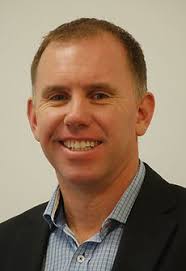
Article by
Brett Hughes CPA-CA
Brett has over 25 years of accounting and public practice experience. A qualified Certified Practising Accountant, he is a Registered Tax Agent and holds a Public Practising Certificate with CPA Australia and the Institute of Chartered Accountants (CAANZ).
Brett specialises in Property Transactions, Land Development, Medical Services, Real Estate, the Horse Racing Industry and Business Structures and he has a passion for helping all individuals and SME’s and believes Accountants should do more than prepare tax returns.
Disclaimer
“The information on this website is general in nature and is provided for information purposes only. It is not legal, financial or professional advice. You should obtain specific, independent advice relevant to your circumstances.”